
Scott County Criminal Docket Searches
Minnesota Court Records Online goes by MCRO. It is the remote entry point for a Scott County criminal court docket. Confirm the venue first, then select Scott County alone. You can search by full case number, by name, by attorney, or by citation. The public form sets which options it allows. MCRO is an access layer, not the whole court file. The case detail screen and its Register of Actions are the best places to compare events and hearings. They also surface any public document links on the Scott County docket.
Bring the full number if you have it. Scott criminal identifiers follow a pattern. They run county code, the CR case-type code, a two-digit filing year, then a sequence. One limit matters. A pending criminal, traffic, or petty-misdemeanor matter without a conviction may not show up in a defendant-name search. A name result never measures the full Scott County criminal caseload.
- Open Scott County MCRO Case Search and acknowledge the Scott County public-access terms.
- Enter the full criminal case number if available, or search a name with a useful date, status, category, or Scott County filter.
- Open the matching Scott County result and confirm its court location, case type, filing date, and status.
- Read the Scott County Register of Actions, charges, hearings, and disposition fields as separate record blocks.
- Use Scott County Court Administration for certification, a missing Scott County public document, or an older local record.
Scott County Criminal Name Limits
Not every Scott County criminal lookup works the same way in MCRO. The Judicial Branch warns that pending Scott County criminal matters stay out of defendant-name results. Pending traffic and petty-misdemeanor cases without conviction are excluded too. Search with the full file number instead. The portal also caps results at 200. A broad name search can be incomplete even when it returns plenty of entries.
Begin with the exact Scott County spelling. Then try separate searches using a middle name, a middle initial, or no middle name. MCRO allows a trailing wildcard after at least two characters. It also offers a Sounds Like option, though you cannot combine the two. If the Scott County search still does not settle it, use the Minnesota access-records page. It points to Scott County courthouse access and local court help rather than treating an empty remote result as final.
Note: A missing name result proves little. It does not establish that a Scott County criminal case was never filed or is no longer pending.
Criminal Dockets: What They Show
MCRO Case Details breaks a Scott County criminal docket into useful blocks. The overview pins down the case and the court. Party Information shows public roles and attorney entries. Depending on access, you may also see charges, warrants, interim conditions, and case assignments. Events, hearings, dispositions, bond or bail activity, and financial information may appear too. The Register of Actions is the chronological spine of the docket. A single event can carry a document index number. It may also carry a View Document control. When that control is absent, it does not mean the event never happened.
| Case number | A unique MNCIS identifier, commonly formatted with Scott County code 70-CR-YY-sequence. |
|---|---|
| Charges | Scott County filed counts, descriptions, levels, and status where publicly displayed. A Scott County charge is an allegation, not a conviction. |
| Case events | Chronological Scott County entries for filings, notices, motions, orders, and other docket activity, often with a document index number. |
| Hearings | Upcoming or prior Scott County settings that are distinct from the complete event history. |
| Disposition and financial data | Recorded Scott County outcomes, sentencing-related entries, and public fine, fee, payment, credit, or balance information when available. |
A Scott County warrant label and a calendar row each need context. The displayed status controls what either one means. A shifting Scott County calendar proves nothing by itself. It does not show that someone missed court. And a sentencing setting says nothing final until the related disposition and judgment entries appear.
Scott County Criminal Case Details
Read a Scott County criminal docket from the header down. Verify the case number, filing date, venue, judicial officer, and status first. Check the flags and related cases too. Then work through party roles and attorneys, and do not rely on remote contact information. Charges sit in their own section. Hearings list scheduled appearances. Case Events give a fuller picture of documented activity in the court record.
- Register of Actions
- The court's running list of a case's title, origin, activities, proceedings, and filings.
- Document index number
- The reference number attached to a docketed item that helps identify a filed document.
- Disposition
- An outcome entered for a charge or case, such as dismissal, plea, verdict, or sentencing, when public.
- Bond or bail activity
- A public entry about an amount or status when the case detail screen displays one.
Take Scott County public details narrowly. An entry records what the court system displays, nothing more. Do not stretch it into conclusions about conduct, guilt, or any outcome beyond the actual public disposition.
Criminal Case Stages on the Docket
A Scott County criminal case can show an arrest-related filing, first appearance, arraignment, omnibus or pre-trial setting, plea, trial, sentencing, probation-violation hearing, motion, review, or bail hearing. Not every case hits every stage. The Scott County docket records the procedural path a case actually took. Keep one caution in mind. An event on the calendar is a setting. It is not proof the hearing occurred or that it resolved the case.
Docket flow: Filing → Arraignment → Pretrial → Plea or Trial → Disposition → Sentencing
For date questions, compare the Hearing section against the official Scott County daily calendar. That calendar posts the next day at 7:00 p.m. and updates hourly from 7:00 a.m. during business hours. On a fast-moving court day, though, the courtroom monitors and printed calendars are the most current source.
Scott County Criminal Filing Context
The Scott County 2024 Performance Report offers a dated snapshot of local workload. Its MNCIS-sourced table counts 446 other gross-misdemeanor filings, 379 gross-misdemeanor DWI filings, 696 other felony filings, 20 felony DWI filings, and 28 serious-felony filings for 2024. By calculation, those categories total 1,569 major adult criminal filings. The measure has decreased since 2021. The report notes it stayed relatively flat across the most recent three years.
Do not read that annual total as a live MCRO query. It is also not a count of people, and it says nothing about guilt. For big-picture court statistics, the Judicial Branch dashboards do the job better. A single Scott County criminal docket stays what it is. It is simply a record tied to one case.
Scott County Criminal Docket Courts
Criminal cases filed in the county land in one place: Scott County District Court. Minnesota skips the two-tier setup other states use. There is no separate Scott County lower criminal court for misdemeanors or felonies. The same District Court system holds more than crime. It also covers civil, family, probate, juvenile, and traffic files. What you can see in a given result depends on case type and access rules.
Most hearings happen at the Scott County Justice Center. Some bail hearings run elsewhere, though. They take place across the street at the Scott County Law Enforcement Center. A LawEnforceCtr entry on a calendar is just a location. It does not create a new court. It is not a separate criminal docket, either. Read the venue, the hearing location, and the current calendar information side by side.
Scott County Treatment Court Entries
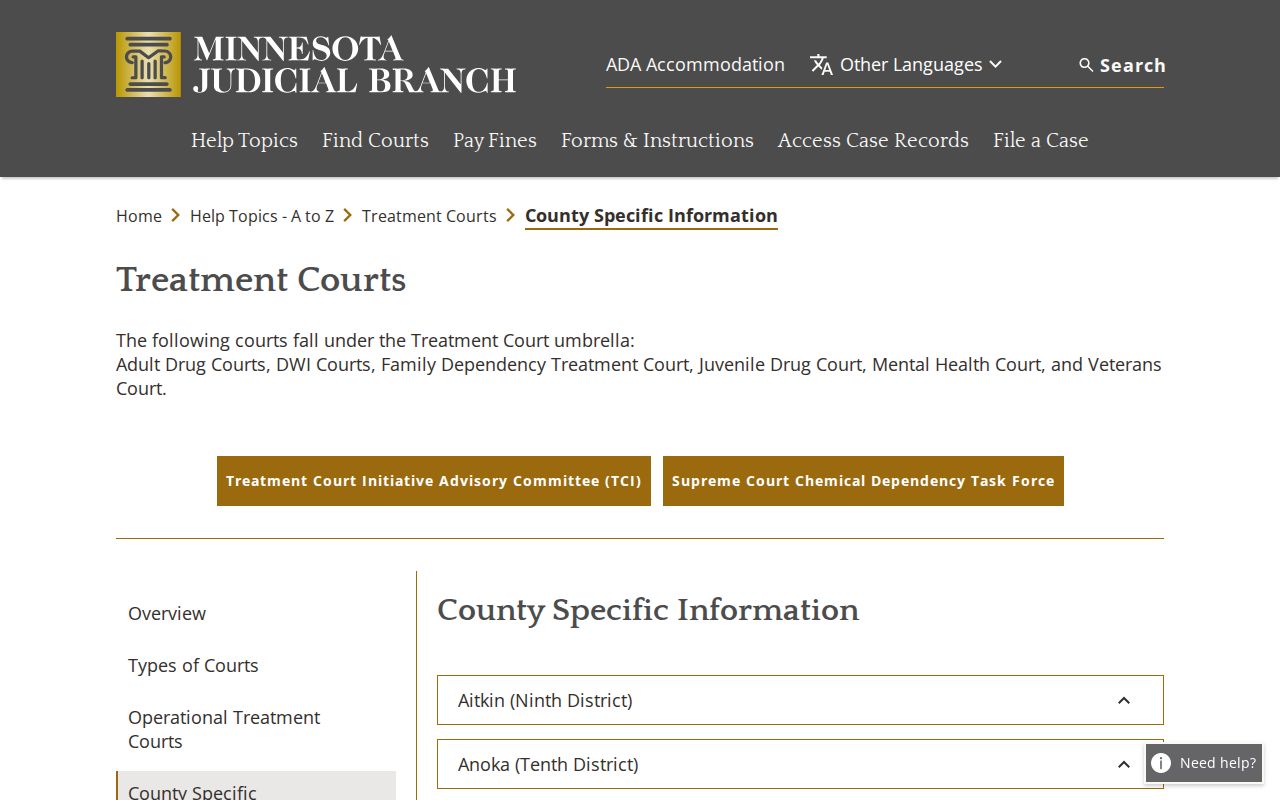
Scott County Treatment Court appears in the Judicial Branch's county-specific program directory. Think of it as a problem-solving program layered on top of a case. No second public docket replaces the criminal Register of Actions. The record that matters stays the underlying one. Its case number, hearings, disposition, and financial entries are still the public fields to watch. That applies when access rules permit. The official Minnesota Treatment Court directory publishes the program listing itself.
Joining the program does not open treatment files to the world. Assessments and health details stay private. Stick to the docket entries the access rules allow.
Access Rules for Criminal Dockets
MCRO gives free remote access to the public parts of many Scott County criminal records. Courthouse access reaches further. The Scott County Law Library runs Minnesota Public Access view, the fullest Scott County electronic channel open to the public.
Need a local paper file, a certified copy, an older or off-site record, or something MCRO will not show? Contact Scott County Court Administration. Call (952) 496-8200, stop at the counter, or follow its copy-request instructions. Requests can go by mail to 200 Fourth Avenue West, Shakopee, MN 55379. Fax works too, at (952) 496-8211, where that local route is allowed. The official contact-by-email control is another route. eFS qualifies when eligible. One caution: eFS files documents. It is not a Scott County public search tool.
Different rules govern confidential, sealed, expunged, juvenile, protected, and some warrant-related material. Court Administration cannot copy a confidential record without an access order signed by a judge. For a sealed or confidential record, use CON101 with the CON100 instructions. A judge then reviews the request. Never send private material through ordinary email. Do not assume remote access shows everything.
Key Rules:
Minnesota Rules of Public Access, Rule 8 distinguishes courthouse inspection from remote access and defines the Register of Actions.
Minnesota Rules of Public Access, Rule 4 identifies records and proceedings that are not publicly accessible.
Minnesota Statutes section 609.02 defines conviction, reinforcing why a charge or a pending case is not a conviction.
Minnesota Statutes chapter 260B supplies special juvenile-record context and should not be treated as an ordinary criminal-search category.
Scott County Criminal Copy Requests
A free MCRO download will not work as a certified copy. A proper request to Scott County Court Administration should state the county, case type, case number, parties or roles, a document description, and the date or index number. It should also cover how many copies you need. The copy type, your delivery method, and payment belong in the request too. Scott certifies only Scott County District Court records. Same-day service covers most in-person requests. Older or off-site material can take longer.
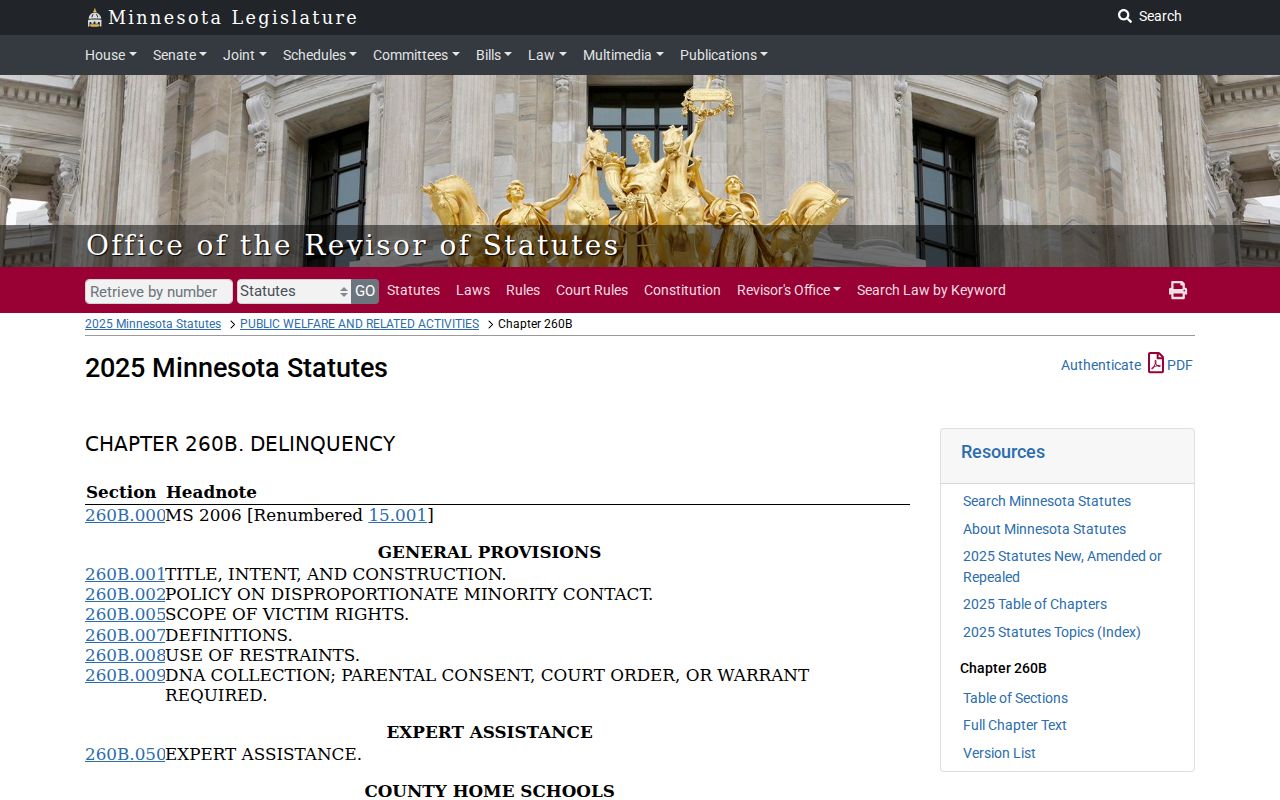
One more limit on remote access comes from juvenile law. Minnesota Statutes chapter 260B sets out the juvenile-record rules that keep ordinary criminal searches narrow.
If a Scott County public document is not online, ask Court Administration for that specific record. A missing attachment on a Scott County docket can simply mean access classification. It can also mean limited document coverage. It does not prove the file lacks it.
Note: Skip Social Security numbers and payment-card details. Also skip any extra private information when using the ordinary Court Administration email route.